

What Is Therapeutic Endoscopy?
Therapeutic endoscopy is a modern procedure used to both diagnose and treat conditions inside the digestive tract. It uses a flexible tube with a camera and special instruments to perform treatments without the need for open surgery. This approach allows precise care with less discomfort and faster recovery. Under the expert care of Dr. Praneeth Movva, therapeutic endoscopy is performed with high accuracy and patient safety.
Why Is Therapeutic Endoscopy Important?
This procedure has changed the way many digestive problems are treated. Instead of undergoing major surgery, patients can receive treatment during the same session as diagnosis. This reduces hospital stays, lowers risks, and improves recovery time. It is especially useful for managing bleeding, blockages, and abnormal growths in the gastrointestinal tract.
Conditions Managed With Therapeutic Endoscopy
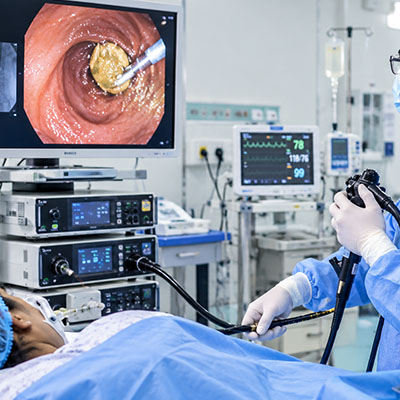
Therapeutic endoscopy is used to treat a wide range of digestive issues. It is highly effective for controlling internal bleeding, removing polyps, widening narrowed areas, and placing feeding tubes when needed. This method ensures targeted treatment while protecting surrounding healthy tissue.
Common Therapeutic Endoscopic Procedures
Below are key procedures performed using therapeutic endoscopy:
- GI Bleed Management: Advanced endoscopic techniques are used to locate and control internal bleeding in the digestive tract, helping stabilize the patient and prevent life-threatening complications.
- Gastric & Colon Polypectomy: Polyps in the stomach or colon are carefully removed during endoscopy, reducing the risk of cancer and avoiding the need for invasive surgical procedures.
- Variceal Banding (EVL): Enlarged veins in the esophagus are treated by placing small bands, effectively preventing or controlling bleeding in patients with liver-related complications.
- Foreign Body Removal: Objects accidentally swallowed are safely retrieved using specialized tools, preventing injury or blockage in the digestive tract without requiring surgery.
- Stricture Dilation: Narrowed sections of the digestive tract are gently widened using balloons or dilators, improving swallowing and allowing food to pass normally.
- Nasojejunal Tube Placement: A feeding tube is placed into the small intestine to provide nutrition for patients who cannot eat normally due to medical conditions.
How the Procedure Is Performed
Therapeutic endoscopy is usually done under sedation to ensure comfort. The endoscope is gently passed through the mouth or rectum depending on the treatment area. Specialized instruments are used to perform the required procedure with precision. The duration varies but is generally short, and most patients can return home the same day.
Benefits of Therapeutic Endoscopy
This advanced treatment offers multiple benefits compared to traditional surgery.
- Minimally invasive with no major cuts
- Faster recovery and reduced hospital stay
- Immediate treatment during diagnosis
- Lower risk of complications
Preparation and Aftercare
Patients are usually asked to fast before the procedure. After treatment, mild discomfort such as throat irritation or bloating may occur but resolves quickly. Following medical advice helps ensure a smooth recovery and better outcomes.
When to Consult a Specialist
If you experience symptoms like digestive bleeding, difficulty swallowing, or persistent abdominal discomfort, early medical consultation is important. Timely treatment can prevent complications and improve overall health.
Expert Care for Digestive Health
With advanced technology and a patient-focused approach, Dr. Praneeth Movva provides safe and effective therapeutic endoscopy services. Early intervention and expert care can significantly improve digestive health. Book your appointment today for reliable and advanced treatment.